

 English
 русский
 عربى
عربى

Новости отрасли
What is a wire EDM machine used for?
2026-08-10
Контент
- 1 What a Wire EDM Machine Does and Why It Matters in Modern Manufacturing
- 2 Common Types of Wire EDM Machines and Their Characteristics
- 3 Working Principle and Core Machine Structure
- 4 Application Scenarios and Selection Considerations
- 5 Comparing Relative Cutting Speed Across Machine Types
- 6 Industry Trend: Growing Adoption of Automated Wire Threading and Unattended Operation
- 7 Comparing Machine Attributes with a Radar View
- 8 Typical Application Distribution Across Industries
- 9 Maintenance Guidance for Reliable Long-Term Performance
- 10 Frequently Asked Questions About Wire EDM Machines
- 10.1 Q1: What materials can a wire EDM machine cut?
- 10.2 Q2: What is the difference between high-speed and medium-speed wire EDM?
- 10.3 Q3: When is a large-taper wire EDM machine necessary?
- 10.4 Q4: How does dielectric fluid affect wire EDM cutting quality?
- 10.5 Q5: What should buyers look for in a wire EDM machine manufacturer?
What a Wire EDM Machine Does and Why It Matters in Modern Manufacturing
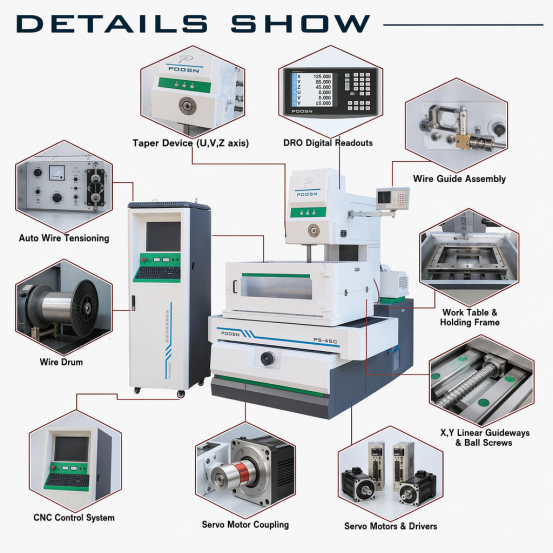
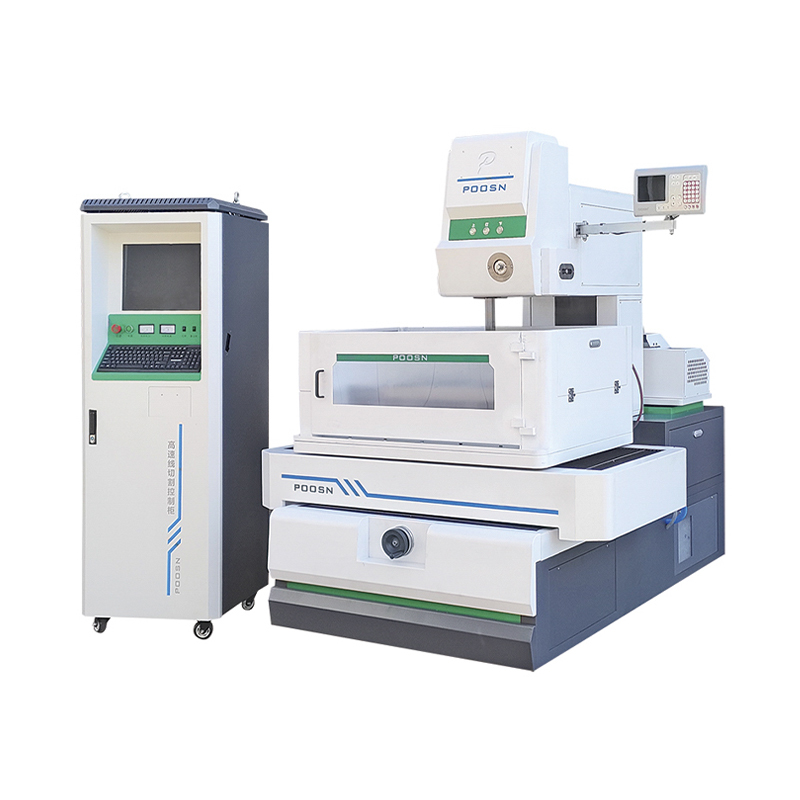
A wire EDM machine (wire electrical discharge machining machine) cuts electrically conductive materials by generating controlled electrical sparks between a thin, continuously moving wire electrode and the workpiece, eroding material along a programmed path without direct mechanical contact. This makes it the go-to process for cutting hardened tool steel, carbide, and other hard-to-machine metals into precise dies, punches, molds, and complex profile parts that conventional milling or turning struggle to produce.
Because the cutting wire never physically presses against the workpiece, wire EDM machining introduces very little mechanical stress, which is one reason it remains a preferred process for finishing hardened components after heat treatment. The technology spans several machine categories — high-speed wire-cut EDM, medium-speed wire-cut EDM, and large-taper wire-cut EDM — each suited to different accuracy, speed, and taper-angle requirements. Understanding these differences helps fabrication shops, toolmakers, and OEM buyers choose the right CNC wire cutting machine configuration for their production needs.
This article walks through the common machine types, their working principles, typical application scenarios, comparative performance characteristics, maintenance practices, and where the industry is heading — giving toolroom managers and procurement teams a practical reference for evaluating wire EDM equipment options.
Key takeaway: Wire EDM removes hard, conductive material through spark erosion rather than cutting force, making it the standard method for precision dies, molds, and hardened tooling components.
Common Types of Wire EDM Machines and Their Characteristics
Wire-cut EDM machines are generally grouped by wire travel speed and structural design, and each category serves a distinct segment of tool-and-die and precision-parts manufacturing.
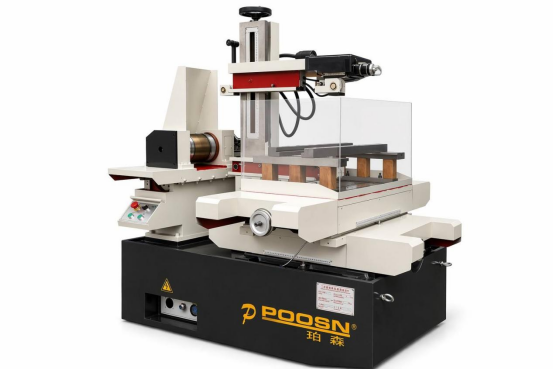
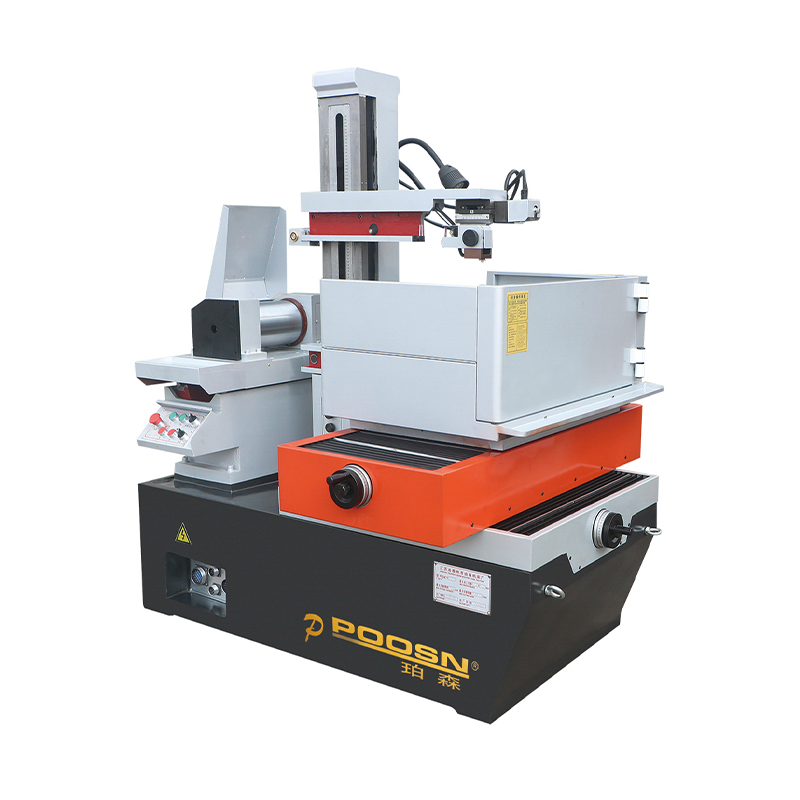
High-speed wire EDM machines use a reciprocating molybdenum wire that travels back and forth and is reused multiple times before replacement, offering a practical balance of processing efficiency and operating economy for general die-making work.
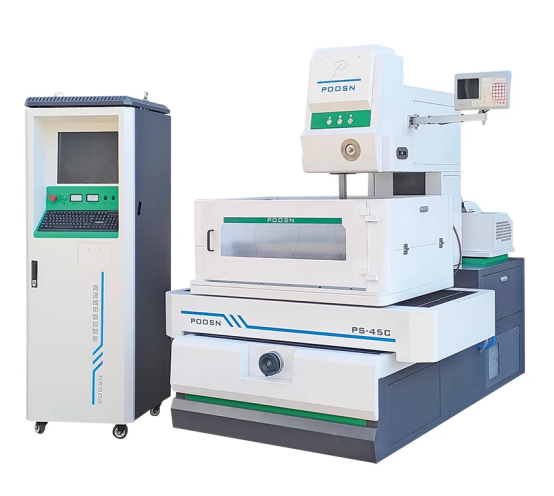
Medium-speed wire EDM machines add refinements such as improved pulse power supplies, closed-loop wire tension control, and multi-cut strategies, which typically produce a finer surface finish and tighter dimensional consistency than basic high-speed models.
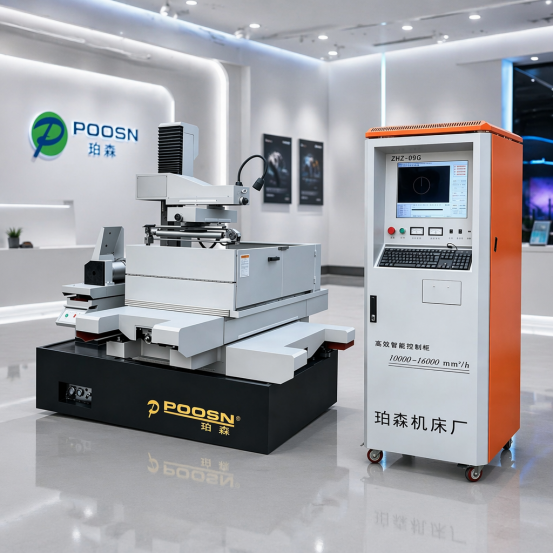
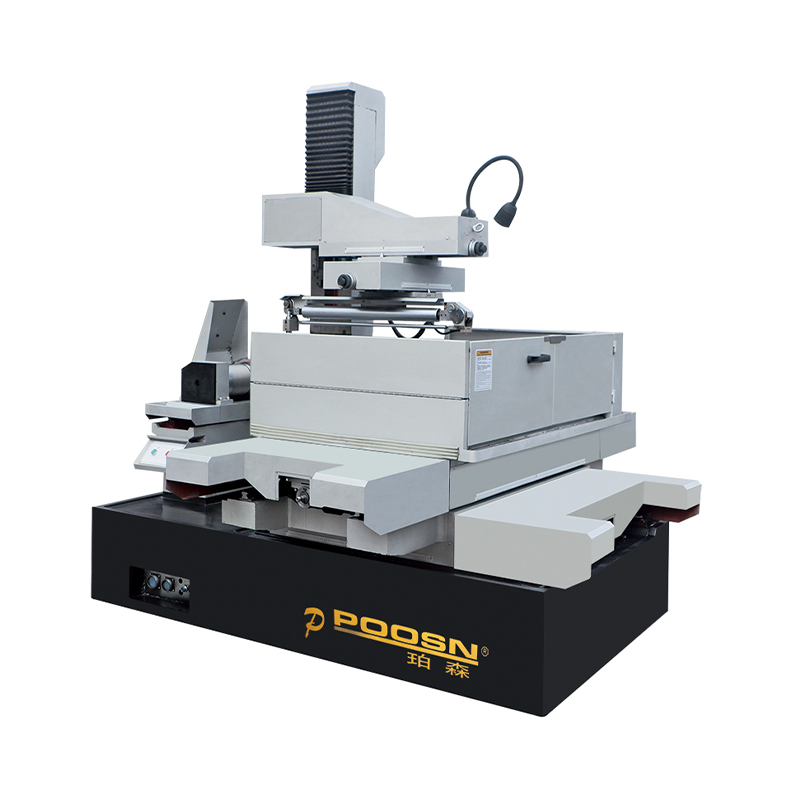
Large-taper wire EDM machines are built with extended upper wire-guide travel and specialized guide mechanisms so they can cut steep angled profiles, which is essential for stamping dies, extrusion dies, and parts requiring draft angles.
Typical Selection Factors by Machine Category
| Machine Type | Wire Type | Typical Strength | Common Use Case |
|---|---|---|---|
| High-Speed Wire EDM | Reusable molybdenum wire | Cost-efficient general cutting | General die and mold roughing |
| Medium-Speed Wire EDM | Molybdenum wire, multi-cut capable | Improved finish and consistency | Precision dies, finishing passes |
| Large-Taper Wire EDM | Molybdenum wire, extended guide travel | Steep angle-cutting capability | Stamping dies, extrusion dies |
Key takeaway: Choosing between high-speed, medium-speed, and large-taper wire EDM machines depends primarily on required surface finish, dimensional tolerance, and whether the part geometry includes steep taper angles.
Working Principle and Core Machine Structure
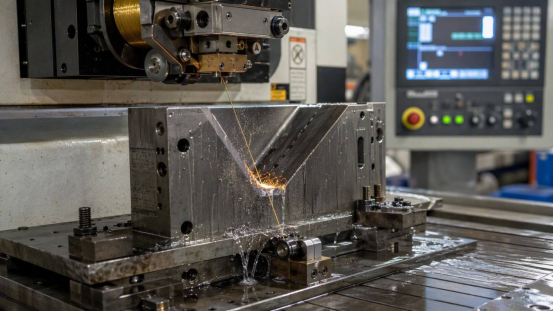
A wire EDM system works by feeding a thin metallic wire — typically molybdenum for high-speed and medium-speed machines, or brass for low-speed systems — continuously through the cutting zone while a pulsed direct-current power supply generates a rapid series of electrical discharges between the wire and the workpiece. Each discharge vaporizes a microscopic amount of material from the workpiece surface, and the dielectric fluid (usually deionized water) flushes away the eroded particles while also cooling the wire and workpiece. The CNC control system moves the worktable along programmed X-Y coordinates, and on machines with taper-cutting capability, the upper wire guide can also shift independently to create angled cuts. Because there is no direct mechanical force between wire and part, thin-walled and delicate components can be cut without deformation.
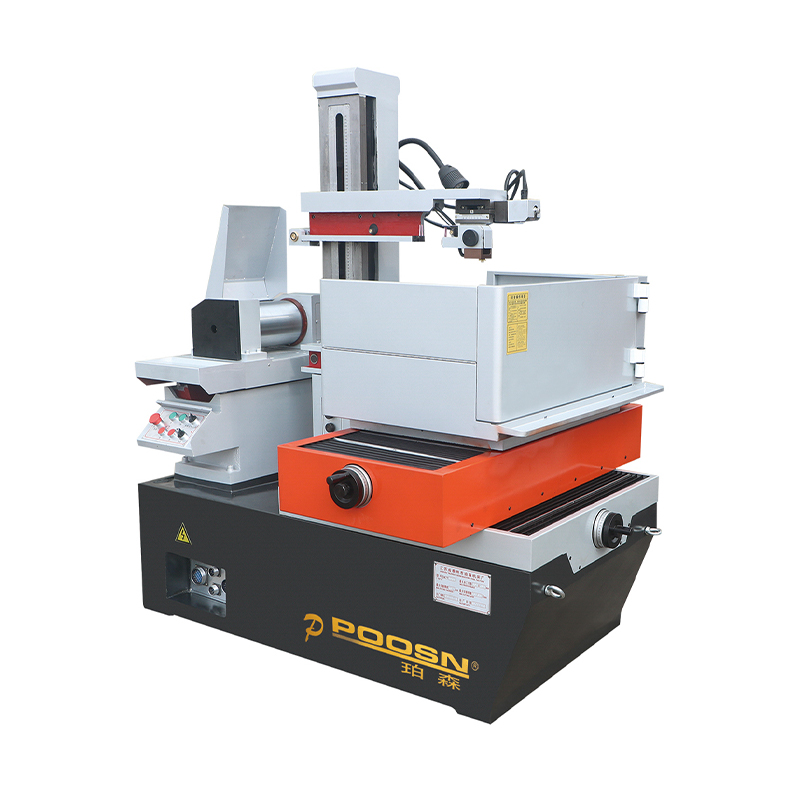
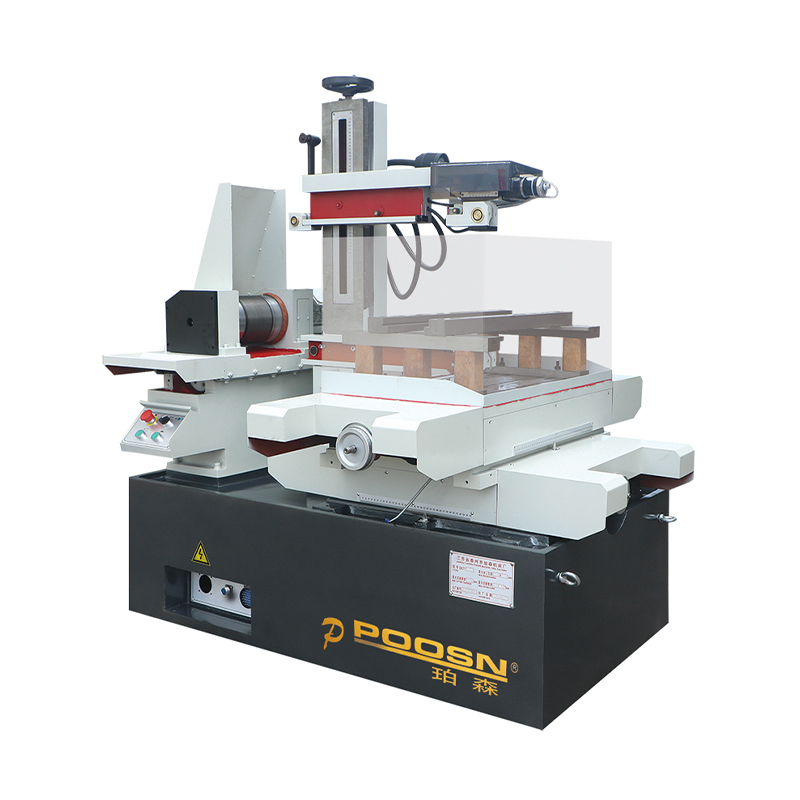
The main functional groups of a typical wire-cut EDM machine include the wire feed and take-up system, the upper and lower wire guide assemblies, the worktable and axis drive system, the dielectric fluid circulation and filtration system, and the CNC control cabinet. The diagram below illustrates how these components are arranged on a standard machine frame.
In practice, the wire spool feeds fresh or reconditioned wire toward the upper guide, which positions the wire precisely above the workpiece before it passes down through the cut and returns to the lower guide and take-up spool. The worktable, driven by servo motors along the X and Y axes, moves the clamped workpiece relative to the fixed wire path according to the programmed part geometry. Dielectric fluid is continuously pumped through the cutting gap and filtered to remove eroded debris, which keeps discharge conditions stable and helps maintain consistent cut quality throughout a long production run.
Key takeaway: A wire EDM machine's cutting accuracy depends on the coordinated performance of its wire feed, guide, axis drive, and dielectric filtration systems working together, not on any single component alone.
Application Scenarios and Selection Considerations
Wire EDM machines are used across a wide range of industries wherever hardened, conductive materials need to be cut into precise shapes without inducing mechanical stress. The most common application remains tool and die making, where wire EDM cuts punches, dies, and mold cavities from pre-hardened steel and carbide blanks. Aerospace and medical device manufacturers also rely on wire EDM for producing small, geometrically complex components where tight tolerances and burr-free edges are required. Automotive suppliers use wire EDM for stamping die production and for prototyping components before committing to higher-volume processes.
| Common Application Scenarios | Key Selection Considerations |
|---|---|
| Stamping and progressive dies | Taper-cutting range and axis travel |
| Injection and extrusion mold cavities | Surface finish and repeatability |
| Aerospace and medical precision parts | Positioning accuracy and control system |
| Carbide tooling and cutting inserts | Wire tension stability on hard materials |
| Prototype and low-volume parts | Programming flexibility and setup time |
When evaluating a wire cutting EDM machine for sale, buyers should weigh part geometry (particularly whether steep taper angles are required), the hardness and thickness of materials being cut, required surface finish, and how much unattended or automated operation the shop expects to run. Toolrooms producing mostly flat, straight-wall die components can often be well served by a high-speed wire EDM machine, while shops regularly cutting stamping dies with draft angles benefit from a dedicated large-taper machine.
Key takeaway: Matching machine type to part geometry — especially taper angle requirements and surface finish targets — is the most practical starting point for wire EDM equipment selection.
Comparing Relative Cutting Speed Across Machine Types
Processing speed is one of the first factors toolroom managers ask about when comparing wire EDM equipment, since it directly affects how many parts a machine can turn out during a production window. Rather than quote precise figures that vary significantly by material, thickness, wire diameter, and pulse settings, it is more useful to look at the relative speed positioning of each machine category based on their typical design intent. High-speed wire EDM machines are engineered primarily for throughput on general die-cutting work. Medium-speed machines trade some raw speed for finer control and multi-cut finishing passes. Large-taper machines are optimized more for angle-cutting capability than for maximum linear speed. The chart below presents this relative positioning as a simple illustrative index rather than as measured production data.
This horizontal comparison is intentionally shown as a relative index rather than a set of exact production numbers, since actual cutting speed on any wire EDM machine depends heavily on workpiece thickness, material hardness, wire diameter, flushing conditions, and the specific pulse parameters selected by the operator. What the chart does illustrate is the general design emphasis behind each machine category: high-speed wire EDM machines are typically specified by shops where cutting throughput on general die work is the priority. Medium-speed machines are positioned slightly lower on a pure speed basis because part of their design intent is dedicated to multi-cut strategies that improve surface finish and dimensional accuracy rather than maximizing raw cutting rate.
Large-taper machines sit lowest on this relative index not because they are inferior machines, but because their mechanical design — particularly the extended upper guide travel needed to achieve steep taper angles — is optimized for angle-cutting capability rather than for maximum straight-wall cutting speed. A shop that primarily needs flat punches and simple die inserts will generally prioritize a high-speed or medium-speed configuration, while a shop that regularly produces stamping dies with draft angles will value taper capability over marginal speed gains. Reading this chart alongside the actual part drawings a shop produces gives a much more meaningful basis for machine selection than speed alone.
Key takeaway: Cutting speed should be weighed against surface finish and taper requirements together, since the fastest machine on paper is not always the best fit for parts with angled geometry.
Industry Trend: Growing Adoption of Automated Wire Threading and Unattended Operation
One of the clearer trends discussed across the wire EDM industry in recent years is the shift toward automated wire threading systems that can re-thread the wire automatically after a break, without requiring an operator to manually restart the cut. This feature matters because unplanned wire breaks used to force machines to sit idle until someone intervened, which limited how much unattended overnight or weekend production a shop could realistically run. As automated threading has become more reliable, more toolrooms have been able to extend unattended run times, particularly for multi-cavity mold work and long production programs. The line chart below illustrates this general trajectory as a qualitative trend rather than as a precise market statistic.
The upward line in this chart reflects a general pattern widely reported across trade publications and manufacturer literature: automated wire threading moved from a premium feature found mainly on higher-end machines to something increasingly expected even on mid-range wire EDM equipment. This progression tracks alongside broader improvements in wire break detection sensors, servo control responsiveness, and dielectric fluid filtration consistency, all of which reduce the frequency of wire breaks in the first place. As fewer breaks occur and the ones that do happen are resolved automatically, machines can be left running through unattended shifts with far less risk of a stalled cut sitting idle for hours.
For toolrooms and job shops, this trend has practical implications beyond convenience. Extended unattended run time changes how production schedules are planned, allowing complex, time-consuming cuts to be started at the end of a shift and left to complete overnight. It also shifts operator responsibilities toward machine setup, programming, and quality verification rather than continuous monitoring during the cut itself. Shops evaluating a new wire EDM machine increasingly treat automated threading reliability as a practical, everyday feature rather than an optional add-on, particularly for facilities running multiple machines with limited staffing per shift.
Key takeaway: Reliable automated wire threading has become a practical baseline expectation for shops seeking to extend unattended machine run time and improve overall production scheduling flexibility.
Comparing Machine Attributes with a Radar View
Because wire EDM machine selection usually involves balancing several attributes at once rather than optimizing for a single metric, a radar-style comparison can help visualize trade-offs more clearly than a single ranked list. The chart below compares high-speed, medium-speed, and large-taper wire EDM machines across five commonly weighed attributes: dimensional accuracy, surface finish quality, cutting speed, taper-cutting capability, and typical automation level. Each attribute is scored on a simple relative 1-to-5 scale reflecting general design characteristics rather than specific tested values from any single machine model. This view is meant to support directional decision-making, not to replace a detailed technical specification review.
The overlapping shapes in this radar comparison show why no single wire EDM category can be labeled universally better than the others; each shape stretches further along the axes that reflect its core design purpose. The medium-speed profile extends furthest toward accuracy and surface finish, consistent with its role as the category most commonly chosen for finishing passes on precision dies and molds. The large-taper profile pulls furthest toward the taper-capability axis, reflecting the specialized mechanical travel range built into these machines for angle cutting. The high-speed profile sits more centrally, which reflects its role as a general-purpose workhorse rather than a specialist machine for any single attribute.
Reading a radar chart like this is most useful when a shop lists out its own priority order for these five attributes before comparing machines. A toolroom producing simple flat-wall die inserts in high volume may weight cutting speed and automation level most heavily, making a high-speed configuration a reasonable starting point. A precision mold shop producing cavities with tight surface finish tolerances will likely weight accuracy and surface finish more heavily, pointing toward a medium-speed configuration. A stamping die manufacturer working with steep draft angles will naturally prioritize taper capability above the other attributes. None of these are absolute rules, but the radar view helps frame the trade-off conversation in a structured way.
Key takeaway: No wire EDM machine category dominates on every attribute, so buyers get the most value from a radar comparison when they first rank which attributes matter most for their own parts.
Typical Application Distribution Across Industries
Wire EDM machines serve a fairly broad cross-section of manufacturing industries, though tool and die work remains the most established use case by a wide margin. The donut chart below presents an illustrative distribution of common wire EDM application areas based on general industry usage patterns rather than a specific measured survey. It is intended to give readers directional context about where wire EDM technology is most heavily used, so procurement teams and toolroom managers can benchmark their own usage pattern against a general industry picture.
Tool and die work, including stamping dies, extrusion dies, and injection mold cavities, occupies the largest share in this illustrative breakdown, which lines up with wire EDM's origins as a machining process developed specifically to cut hardened tooling steel accurately and repeatably. Aerospace applications represent a meaningful secondary segment, largely because wire EDM's ability to cut complex profiles in high-strength alloys without inducing thermal distortion suits the tight tolerance requirements common in turbine and structural components. Medical device manufacturing has grown into a notable niche application as well, particularly for small, intricate parts such as surgical instrument components where burr-free edges and dimensional precision are important.
The remaining share, grouped as automotive and other applications, includes stamping die production for body panels and brackets, as well as general prototyping work across various industries. This broader category tends to fluctuate more with overall manufacturing activity levels than the more specialized tool-and-die and aerospace segments, since prototyping demand often tracks new product development cycles. Shops that primarily serve automotive or general prototyping customers may find their own application mix leans more heavily toward this segment than the illustrative distribution shown here, which is normal given how varied customer bases can be across different regions and industry clusters.
Key takeaway: Tool and die manufacturing remains the core application area for wire EDM technology, with aerospace and medical device work forming meaningful specialized segments.
Maintenance Guidance for Reliable Long-Term Performance
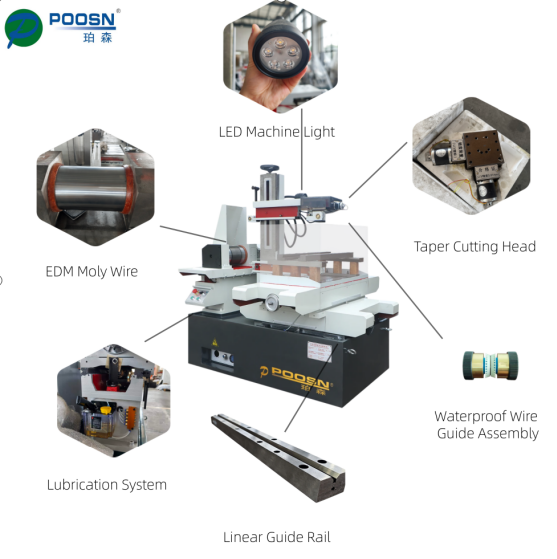
Consistent maintenance is what keeps a wire EDM machine cutting accurately over years of production use, and most of the practices below are standard recommendations found across manufacturer service documentation and toolroom best practices rather than specialized techniques unique to any single brand.
- Inspect and replace wire guides regularly, since worn guides directly affect cutting accuracy and can introduce inconsistent kerf width over time.
- Monitor dielectric fluid resistivity and filtration performance, as contaminated or improperly conditioned fluid reduces cutting stability and can accelerate component wear.
- Check wire tension calibration periodically, since inconsistent tension is a common contributor to unplanned wire breaks during long unattended runs.
- Clean and inspect the power feed contacts, which wear from continuous electrical discharge and can affect spark consistency if left unmaintained.
- Verify axis positioning accuracy on a scheduled basis using appropriate measurement equipment, particularly after any significant maintenance work or component replacement.
- Keep the machine environment reasonably stable in temperature, since thermal fluctuations can influence dimensional repeatability on precision cutting work.
Building these checks into a routine maintenance schedule, rather than only addressing issues reactively, helps reduce unplanned downtime and supports consistent part quality across production runs. Toolrooms that document maintenance intervals and track wire guide or contact replacement history also tend to catch developing issues earlier, before they affect finished part tolerances.
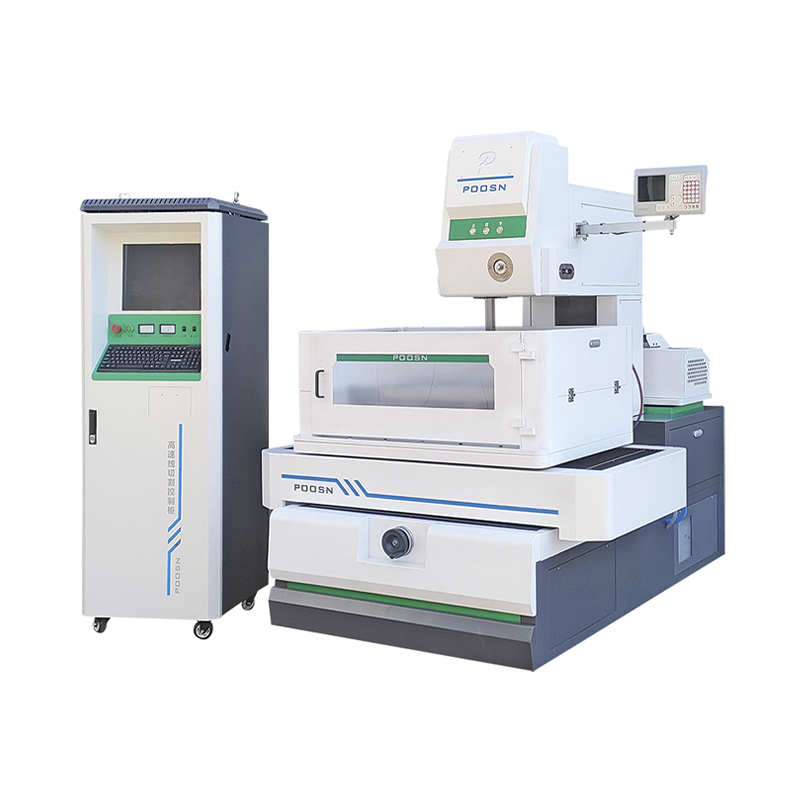
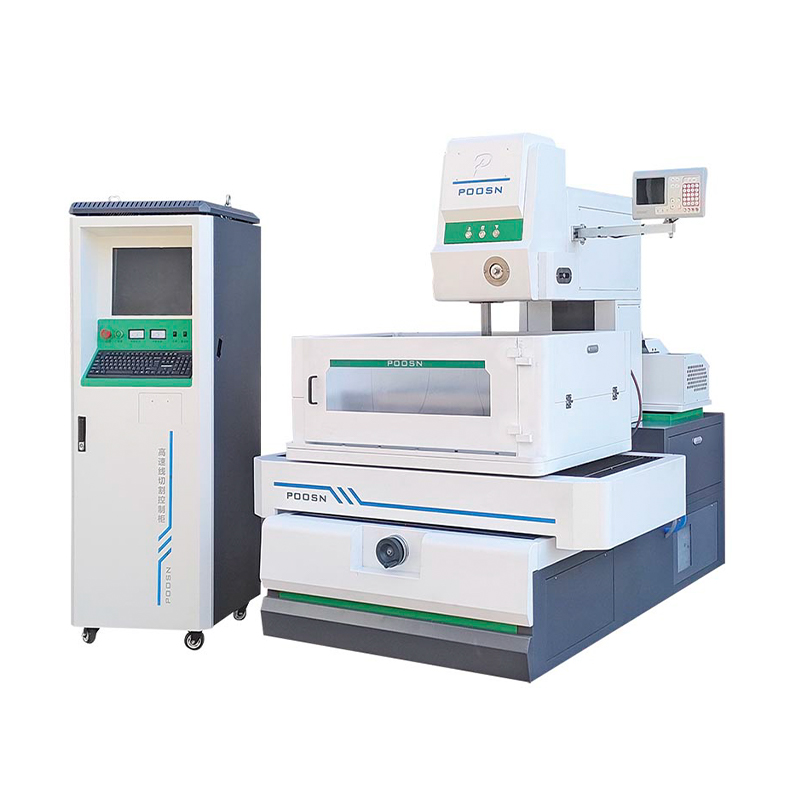
Selecting equipment from a wire EDM manufacturer with rational product design and consistent quality testing practices also plays a meaningful role in long-term reliability. Taizhou Xinchengyang Machinery Manufacturing Co., Ltd, a specialized manufacturer with years of experience in the research, development, and production of electrical discharge machining and special processing equipment, applies positioning accuracy testing to each machine tool before it leaves the factory, which is one practical way manufacturers work to support consistent output quality for customers over the equipment's operating life. The company's product range spans the PS-C and DK77-BC series of medium-speed wire-cutting EDM machines, the DK77-A and DK77-B series of high-speed wire-cutting EDM machines, and the DK77-D series of large-taper wire-cutting EDM machines, with products sold across domestic markets and select models exported to Southeast Asia, West Asia, Europe, and the Americas.
Key takeaway: Scheduled maintenance of wire guides, dielectric filtration, and wire tension calibration is central to sustaining accurate, repeatable wire EDM performance over the long term.
Frequently Asked Questions About Wire EDM Machines
Q1: What materials can a wire EDM machine cut?Wire EDM can cut any electrically conductive material, including hardened tool steel, carbide, titanium, and various conductive alloys, regardless of hardness, since the process relies on electrical erosion rather than mechanical cutting force. |
Q2: What is the difference between high-speed and medium-speed wire EDM?High-speed wire EDM machines prioritize general cutting throughput using a reusable wire, while medium-speed machines add refinements such as multi-cut strategies and tighter tension control that typically improve surface finish and dimensional consistency. |
Q3: When is a large-taper wire EDM machine necessary?A large-taper machine is typically needed when parts require steep angled walls, such as stamping dies or extrusion dies with draft angles that exceed the capability of a standard vertical-cut wire EDM machine. |
Q4: How does dielectric fluid affect wire EDM cutting quality?Dielectric fluid, typically deionized water, flushes eroded debris from the cutting gap, cools the wire and workpiece, and helps maintain stable discharge conditions, so consistent fluid quality directly supports consistent cut accuracy and surface finish. |
Q5: What should buyers look for in a wire EDM machine manufacturer?Buyers generally look for a manufacturer with rational product design, consistent quality testing such as positioning accuracy verification on each machine, a track record of technical experience, and a product range that covers the specific machine category their application requires. |
-
Телефон
+86-0523-86268788 +86-13815960366 +86-13912191163Эл. почта
[email protected]Адрес
Китай, г. Тайчжоу, р-н Хайлин, пос. Цзюлун, ул. Юйшэн, д. 366
