

 English
 русский
 عربى
عربى

Новости отрасли
Главная / Новости / Новости отрасли / How to choose a heavy-duty wire EDM for oversized workpieces? Heavy-duty EDM
How to choose a heavy-duty wire EDM for oversized workpieces? Heavy-duty EDM
2026-05-25
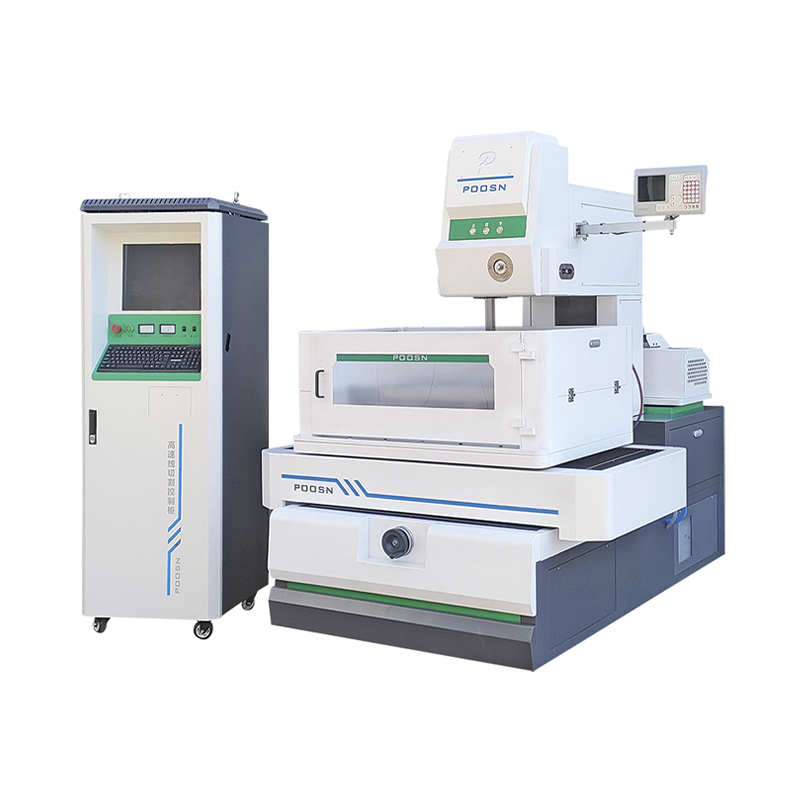
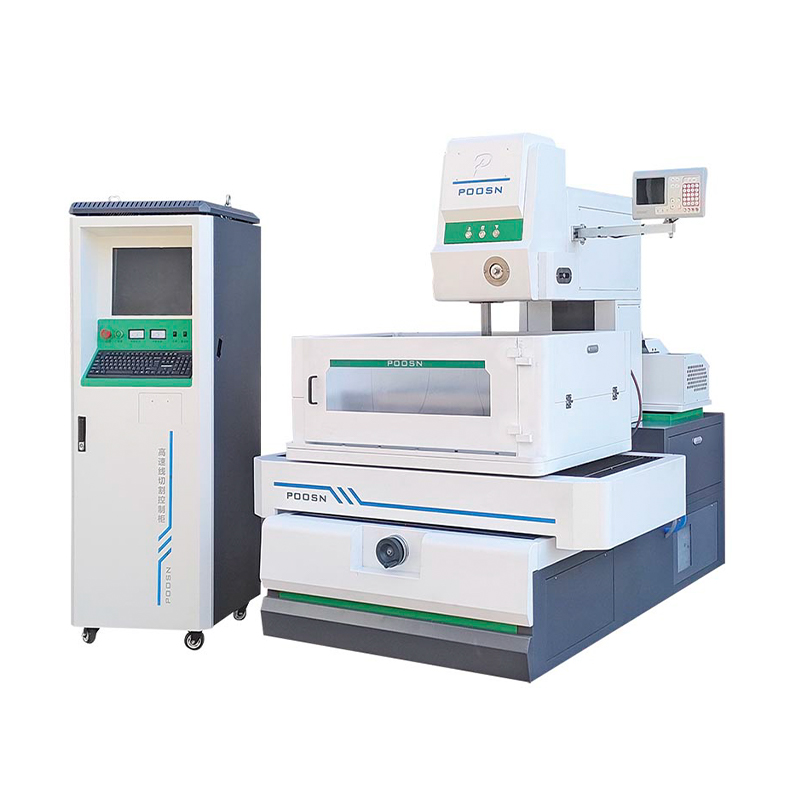
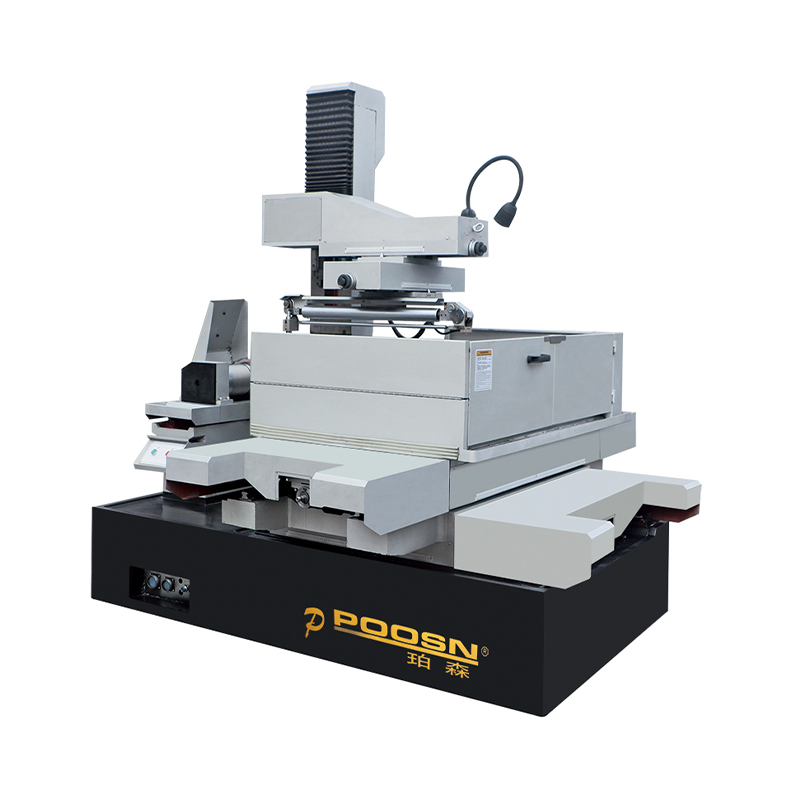
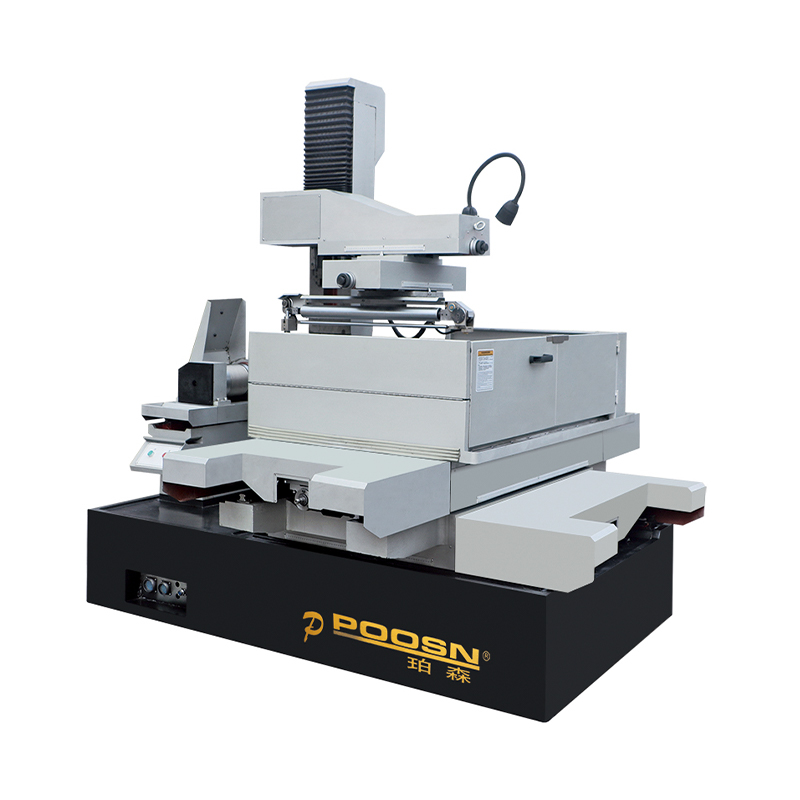
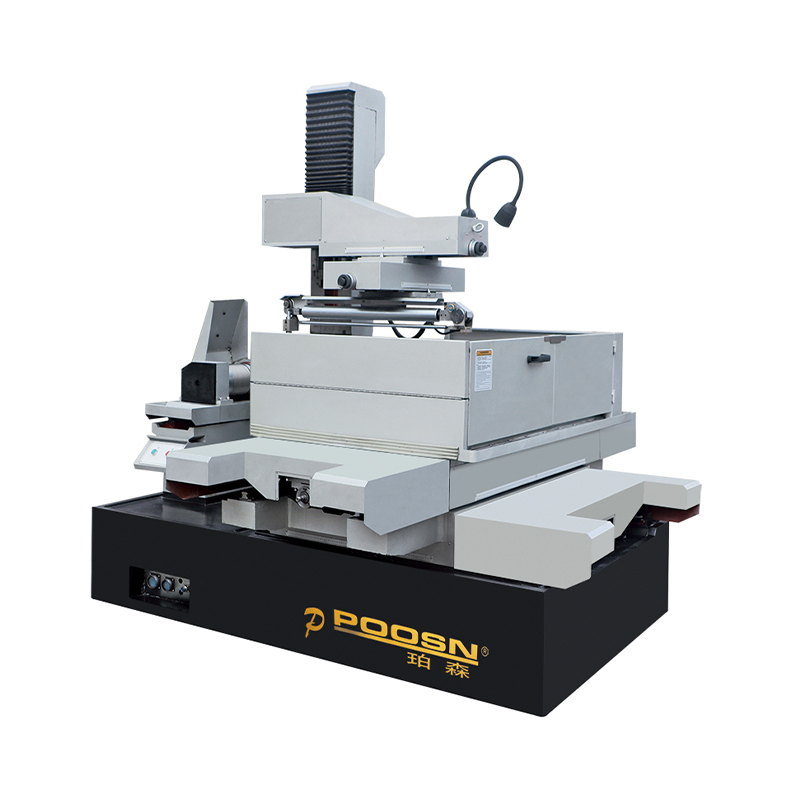
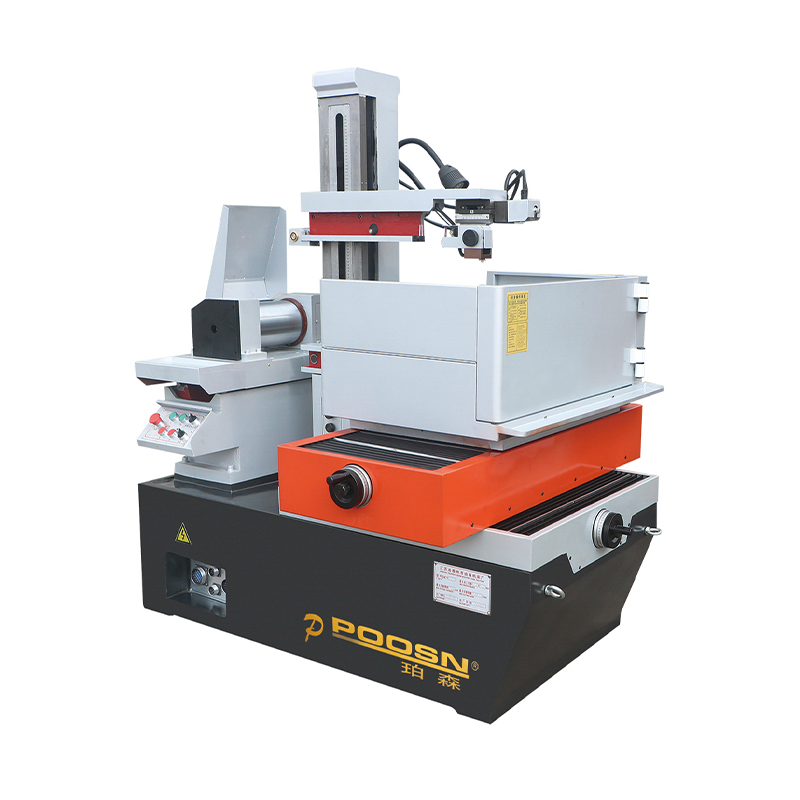
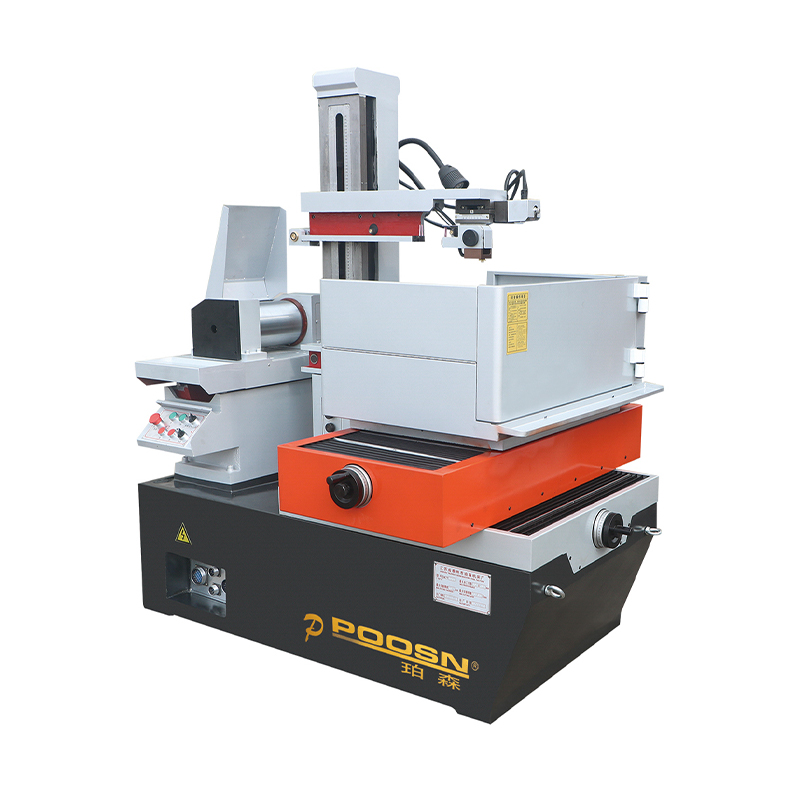
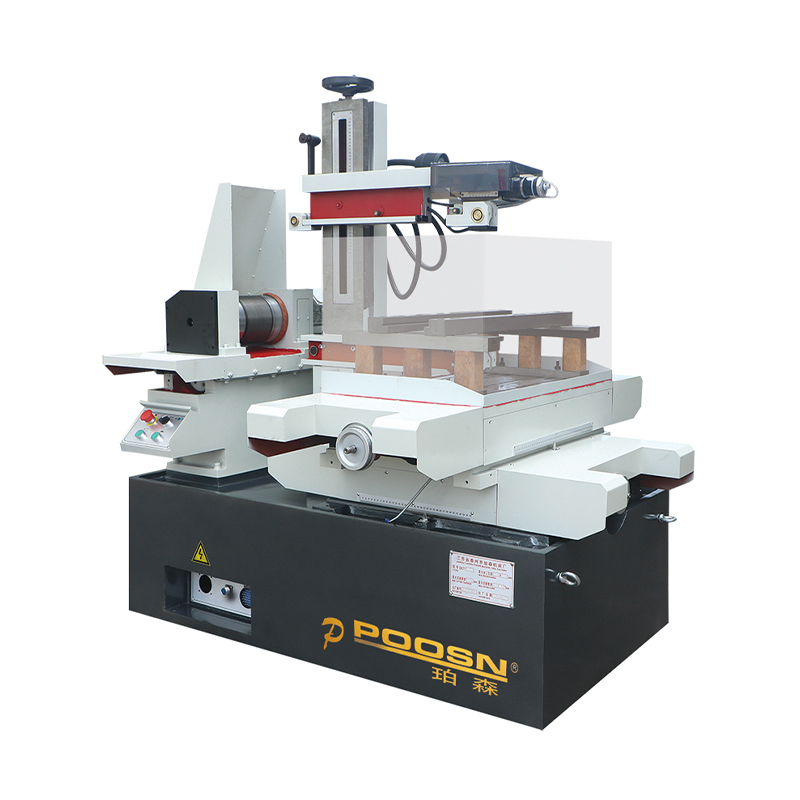
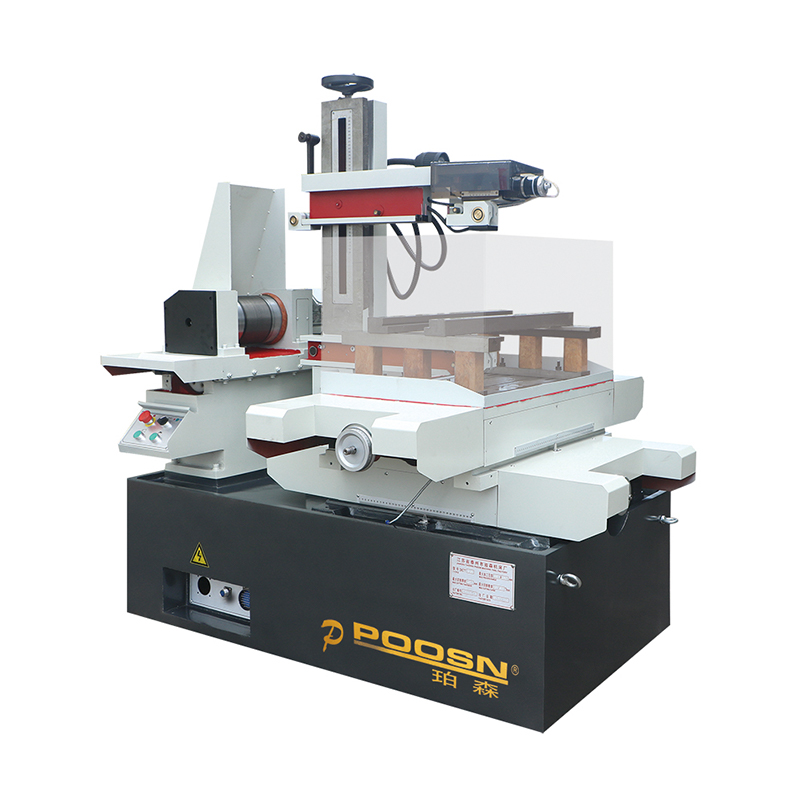
When it comes to cutting oversized workpieces with extreme precision, a heavy-duty wire EDM machine is not just a preference — it is a technical necessity. The PS60C Heavy-Duty CNC Wire Cut EDM Machine is purpose-built for large-scale industrial applications where standard machines simply fall short. With a maximum cutting thickness of 430mm, a load capacity of 800kg, and a linear cutting accuracy of 0.003mm, the PS60C delivers the combination of power and precision required for aerospace components, heavy molds, and oversized industrial parts. Selecting the right large wire EDM for your operation requires understanding workpiece dimensions, material density, required tolerances, and production volume — all of which the PS60C is engineered to address at the highest level.
Unlike conventional CNC wire cutters, an oversize EDM machine must maintain rigidity and thermal stability throughout extended cutting cycles. The PS60C achieves this through a reinforced machine body, precision-ground guide rails, and an advanced closed-loop control system. For manufacturers operating in sectors such as die and mold production, turbine blade fabrication, or heavy machinery component manufacturing, investing in an industrial CNC wire cut EDM with these capabilities directly translates to reduced rework, tighter tolerances, and lower per-part cost over time.
Контент
- 1 Understanding the Demands of Oversized Workpiece EDM
- 2 Key Selection Criteria for a Heavy-Duty Wire EDM Machine
- 3 PS60C Heavy-Duty CNC Wire Cut EDM: Technical Deep Dive
- 4 Customization and Environmental Adaptability
- 5 Application Fields: Where the PS60C Delivers Maximum Value
- 6 Production Efficiency: How the PS60C Improves Your Bottom Line
- 7 About Taizhou Xinchengyang Machinery Manufacturing Co., Ltd
- 8 Frequently Asked Questions
Understanding the Demands of Oversized Workpiece EDM
Oversized workpiece electrical discharge machining presents unique engineering challenges that go beyond simply scaling up a standard machine. The workpiece mass, cutting depth, dielectric fluid circulation, and wire tension management all become significantly more complex as dimensions increase. A machine rated for general-purpose wire cutting may achieve acceptable results on 80–120mm workpieces, but when cutting thick metal EDM applications involving 300mm+ steel blocks, the required structural stiffness, servo response, and power delivery are categorically different.
In heavy-duty mold manufacturing, for example, the workpiece may weigh several hundred kilograms and require uninterrupted cutting for dozens of hours. During this process, any vibration, thermal drift, or guide-rail inconsistency accumulates into dimensional error. The PS60C's high-precision wire EDM for thick steel is designed with this reality in mind — every mechanical and electrical subsystem is optimized for sustained accuracy under load, not just peak performance in ideal conditions.
B2B buyers evaluating an extra heavy workpiece EDM should assess three fundamental parameters: maximum table travel (XYZ), maximum workpiece weight the worktable can support, and the rated cutting thickness at specified accuracy. Machines that advertise large envelopes but compromise on one of these parameters will create bottlenecks in production. The PS60C is transparent and consistent across all three dimensions, making it a dependable choice for long-term capital investment.
The PS60C delivers industry-leading specifications across all four critical dimensions for oversized workpiece machining. With a cutting thickness of 430mm, it outpaces typical heavy-duty machines that cap at 300mm or below. Its 800kg load rating is designed for genuine industrial-scale workpieces encountered in large mold and aerospace manufacturing. The 3-micron linear accuracy ensures that even at maximum cutting depth, dimensional integrity is maintained. The ±30° taper capability opens the machine to complex angular geometries that standard machines cannot achieve. Together, these figures represent a cohesive engineering specification optimized for high-stakes, large-scale production environments where any compromise in capacity would create downstream quality or efficiency problems.
Key Selection Criteria for a Heavy-Duty Wire EDM Machine
Choosing the right heavy-duty wire erosion machine is a multi-factor decision that involves both technical and operational considerations. Below are the primary selection criteria that B2B buyers and process engineers should evaluate before committing to a machine:
1. Maximum Cutting Thickness and Material Compatibility
The most immediate filter for any large wire EDM application is whether the machine can cut through the full thickness of your workpiece with the required accuracy. For thick metal EDM operations involving hardened tool steel, titanium alloys, or tungsten carbide, it is critical to verify rated accuracy at the maximum thickness — not just at mid-range. The PS60C maintains its 0.003mm linear accuracy even at 430mm cutting depth, which is a significant differentiator from machines that only guarantee accuracy at 150–200mm.
2. Worktable Load Capacity and Structural Rigidity
A worktable rated for 800kg must be backed by a machine body of equal robustness. Cast iron or polymer concrete bases provide the vibration damping and thermal stability needed for long cutting cycles. When evaluating an oversize EDM machine, request documentation on the machine bed material, guide rail grade, and fixturing system compatibility. The PS60C's structural design ensures that even at full load, the positioning accuracy remains consistent throughout multi-hour operations.
3. Taper Cutting Capability
For applications involving dies, punches, and aerospace structural parts, taper cutting is frequently required. A large taper wire EDM machine with ±30° taper capability allows manufacturers to produce complex profiles in a single setup, eliminating secondary operations and fixture changes. The PS60C's UV-axis independent control enables precise taper angles across the full workpiece height, ensuring consistent geometry from top to bottom.
4. CNC Control System and Automation Capability
An industrial CNC wire cut EDM for heavy-duty applications must offer a control system capable of handling complex multi-axis paths, adaptive power control, and automated threading in the event of wire breaks. The PS60C supports customized automation scripts, enabling integration into semi-automated production cells where operator intervention is minimized. This is particularly valuable in overnight or lights-out machining scenarios where oversized workpieces require extended unattended cutting.
| Criteria | PS60C Specification | Typical Industry Average | Importance Level |
|---|---|---|---|
| Max Cutting Thickness | 430 mm | 150–300 mm | Critical |
| Workpiece Load Capacity | 800 kg | 300–500 kg | Critical |
| Linear Cutting Accuracy | 0.003 mm | 0.008–0.015 mm | High |
| Max Taper Angle | ±30° | ±3–15° | High |
| Automation Support | Full (custom scripts) | Basic | Medium–High |
PS60C Heavy-Duty CNC Wire Cut EDM: Technical Deep Dive
The PS60C is the flagship model of the PS-C series developed by Taizhou Xinchengyang Machinery Manufacturing Co., Ltd. It represents the highest operational capacity within the series, purpose-engineered for oversized, high-precision, and heavy-load cutting tasks. Every subsystem — from the machine bed to the power supply to the dielectric fluid management system — has been specified and tested to sustain performance at the upper limits of what medium-speed heavy-duty wire EDM technology can deliver.
The high precision wire EDM for thick steel capability of the PS60C is not simply a matter of having a taller Z-axis. It requires a fundamentally different approach to wire tension management, flushing pressure, and servo gain at depth. At 430mm cutting thickness, dielectric fluid must circulate effectively through the full cutting gap — a challenge that standard machines address inadequately. The PS60C's flushing system is specifically tuned for deep-cut applications, maintaining consistent gap conditions from the entry point to the full cutting depth.
The PS60C achieves near-perfect application fit scores across four major heavy-industry sectors. Its highest suitability is in heavy mold manufacturing (98/100), where the combination of large table travel, high load capacity, and 3-micron accuracy creates an unmatched production environment. Aerospace components — often machined from high-strength alloys with complex contours — score 95, reflecting the machine's ability to maintain precision under difficult material conditions. Heavy machinery components and energy sector parts both score above 87, confirming the PS60C's versatility as a platform not limited to a single industry vertical. This cross-sector applicability is strategically important for job shops and contract manufacturers who need a single machine investment to serve multiple client industries efficiently.
Customization and Environmental Adaptability
One of the most significant differentiators of the PS60C is its customization framework. For clients with rigorous dimensional requirements, the worktable size and cutting depth can be tailored to the specific geometry and weight profile of their workpieces. This is not a nominal option — it is a structured engineering service that begins with the customer's CAD data and production parameters, and results in a machine configuration tuned to their exact application. For an oversize EDM machine intended for a specific workpiece family, this level of customization eliminates the compromises inherent in off-the-shelf configurations.
Beyond physical dimensions, Taizhou Xinchengyang offers tailored power supply configurations — including high-energy pulse generators for faster material removal on soft steels, and precision pulse modes for finishing operations on carbide and titanium. Custom cutting modes and automation scripts allow the PS60C to be integrated into semi-automated cells where part loading, clamping, and unloading are mechanized. This is increasingly important in facilities targeting lean manufacturing or operating with limited skilled labor availability.
The PS60C's superior environmental adaptability extends to temperature stability, humidity tolerance, and vibration resistance. In foundry-adjacent environments, heavy-press facilities, or multi-machine production floors, ambient conditions vary considerably. The machine's closed-loop thermal compensation and sealed electrical cabinets ensure consistent performance even where conditions deviate from laboratory standards. This makes the PS60C a dependable choice not just for dedicated precision rooms, but for production floors where real-world conditions apply.
This line chart illustrates the most decisive performance advantage of the PS60C over standard EDM equipment: accuracy retention across increasing cutting depth. A typical medium-duty machine maintains reasonable accuracy up to approximately 150–200mm, but beyond that threshold, error values climb sharply as wire deflection, flushing inconsistency, and thermal effects compound. The PS60C's error curve remains nearly flat from 0mm to 430mm — a function of its advanced servo control, precision wire guides, and dedicated deep-cut flushing architecture. For manufacturers whose workpieces regularly exceed 200mm in height, this stability difference is not marginal — it is the difference between acceptable first-part quality and costly rework cycles that erode profitability.
Application Fields: Where the PS60C Delivers Maximum Value
The PS60C is not a general-purpose machine — it is a specialized asset designed to excel in the most demanding production environments. Its application fields reflect this focus:
- Wire EDM for large molds: Stamping dies, injection molds, forging dies, and extrusion tooling frequently exceed 300mm in height and 500kg in weight. The PS60C's 800kg load capacity and 430mm cutting depth make it one of the few machines capable of processing these components without workpiece sectioning.
- Aerospace components: Structural frames, turbine disk profiles, and actuator housings machined from titanium or Inconel require both deep cutting capability and exceptional surface finish. The PS60C's precision pulse control delivers both.
- Heavy machinery components: Gearbox housings, large bearing seats, and hydraulic manifolds cut from thick plate or forgings are natural applications for heavy-duty wire erosion machine technology.
- Energy sector parts: Turbine components, nuclear-grade fixtures, and pressure vessel internals often involve certified materials and tight tolerances that the PS60C's 0.003mm accuracy can consistently meet.
- Defense and precision instrumentation: Components requiring certified material traceability, tight geometric tolerances, and documented process control are served by the PS60C's consistent, repeatable machining performance.
The radar chart provides a holistic view of the PS60C's capabilities across six critical performance dimensions. Cut depth scores the highest at 98%, affirming the machine's primary engineering advantage for oversized workpiece applications. Precision and load capacity follow closely at 97% and 95% respectively, reflecting the tight integration between mechanical structure and electronic control that sustains accuracy under heavy loads. Automation capability at 90% signals the PS60C's readiness for integration into modern production cells where lights-out or semi-automated operation is the goal. Taper performance at 88% still surpasses most industrial heavy-duty machines, enabling complex angular features without dedicated specialized equipment. The overall shape of the radar polygon — broad and balanced — indicates that the PS60C does not sacrifice one capability for another, a characteristic that makes it a sound long-term investment for diverse production requirements.
Production Efficiency: How the PS60C Improves Your Bottom Line
Beyond raw specifications, the business case for the PS60C rests on measurable production efficiency gains. For manufacturers who currently section large workpieces for processing on standard machines and then reassemble, the PS60C eliminates multiple setups, reduces accumulated positioning error, and cuts total part processing time significantly. Even a conservative 20–35% reduction in total part cycle time for oversized components represents substantial cost savings over the life of the machine.
The PS60C's large worktable also enables multi-part fixturing — where smaller components are ganged together and cut in a single program run. This approach can increase effective spindle utilization from 60–65% (typical for single-part setups with frequent repositioning) to 85–90%, dramatically improving output per shift. In high-volume prototype and short-run production environments, this efficiency gain directly translates to faster delivery and better margin.
All products manufactured by Taizhou Xinchengyang Machinery Manufacturing Co., Ltd are strictly produced in accordance with national standards, with each machine undergoing positioning accuracy testing before shipment. This ensures that the productivity gains promised in specification are realized in practice from day one of installation.
About Taizhou Xinchengyang Machinery Manufacturing Co., Ltd
Taizhou Xinchengyang Machinery Manufacturing Co., Ltd is a specialized manufacturer with extensive experience in the research, development, and production of electrical discharge machining (EDM), special processing technologies, and equipment. The company possesses strong technical capabilities, advanced processing equipment, comprehensive testing methods, and rational product design. All products are strictly manufactured in accordance with national standards, with each machine tool undergoing positioning accuracy testing to ensure consistent, high-quality output.
The company's main product lines include the PS-C and DK77-BC series of medium-speed wire-cutting EDM machines, the DK77-A and DK77-B series of high-speed wire-cutting EDM machines, and the DK77-D series of large-taper wire-cutting EDM machines. Products are sold nationwide, with select models exported to Southeast Asia, West Asia, Europe, and the Americas.
Guided by the principle of "Quality First, Customer Supreme," Taizhou Xinchengyang operates with market orientation and a commitment to fulfilling user needs, dedicated to serving customers with utmost sincerity. Whether the requirement is a standard production configuration or a fully customized heavy-duty wire EDM solution for a unique application, the company's engineering team provides professional support from specification through commissioning.
Frequently Asked Questions
Q1: What is the maximum cutting thickness the PS60C can handle?
The PS60C supports a maximum cutting thickness of 430mm, making it one of the most capable large wire EDM machines available for thick and heavy metal workpieces including hardened tool steel and engineering alloys.
Q2: How much weight can the PS60C worktable support?
The PS60C worktable is rated for a maximum load of 800kg, allowing it to accommodate genuinely heavy industrial workpieces such as large mold bases, aerospace structural blocks, and heavy machinery components without compromising positioning accuracy.
Q3: Can the PS60C be customized for specific workpiece dimensions?
Yes. Taizhou Xinchengyang offers structured customization services including adjustable worktable dimensions, cutting depth configurations, specialized power supply modes, and custom automation scripts. Clients with specific workpiece families can request a configuration tailored to their exact requirements.
Q4: What linear cutting accuracy does the PS60C achieve?
The PS60C delivers a linear cutting accuracy of 0.003mm (3 microns), maintained consistently across the full cutting depth range. This level of high-precision wire EDM for thick steel performance ensures that parts meet tight dimensional tolerances without secondary finishing operations.
Q5: What industries is the PS60C most commonly used in?
The PS60C is widely used in aerospace, heavy mold manufacturing, energy sector component production, and large-scale mechanical equipment fabrication. Its combination of load capacity, cutting depth, and precision makes it particularly well-suited for any sector requiring oversized workpiece electrical discharge machining at production quality standards.
Q6: Does the PS60C support taper cutting for complex profiles?
Yes. As a large taper wire EDM machine, the PS60C supports taper angles up to ±30° through its independently controlled UV-axis system. This enables the production of complex angular geometries — such as punch and die profiles — in a single setup, reducing total process time and accumulated positioning error.
-
Телефон
+86-0523-86268788 +86-13815960366 +86-13912191163Эл. почта
[email protected]Адрес
Китай, г. Тайчжоу, р-н Хайлин, пос. Цзюлун, ул. Юйшэн, д. 366
